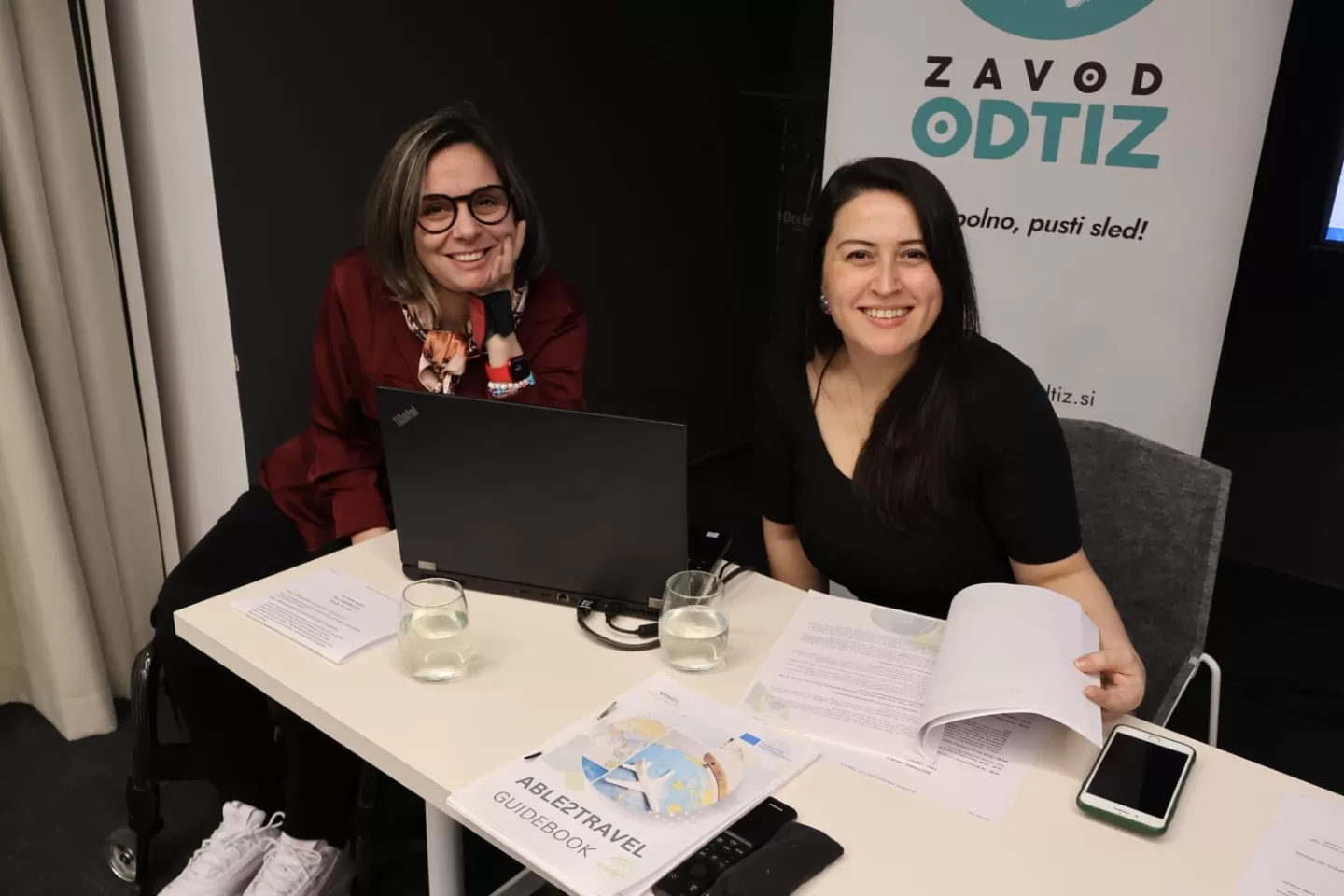
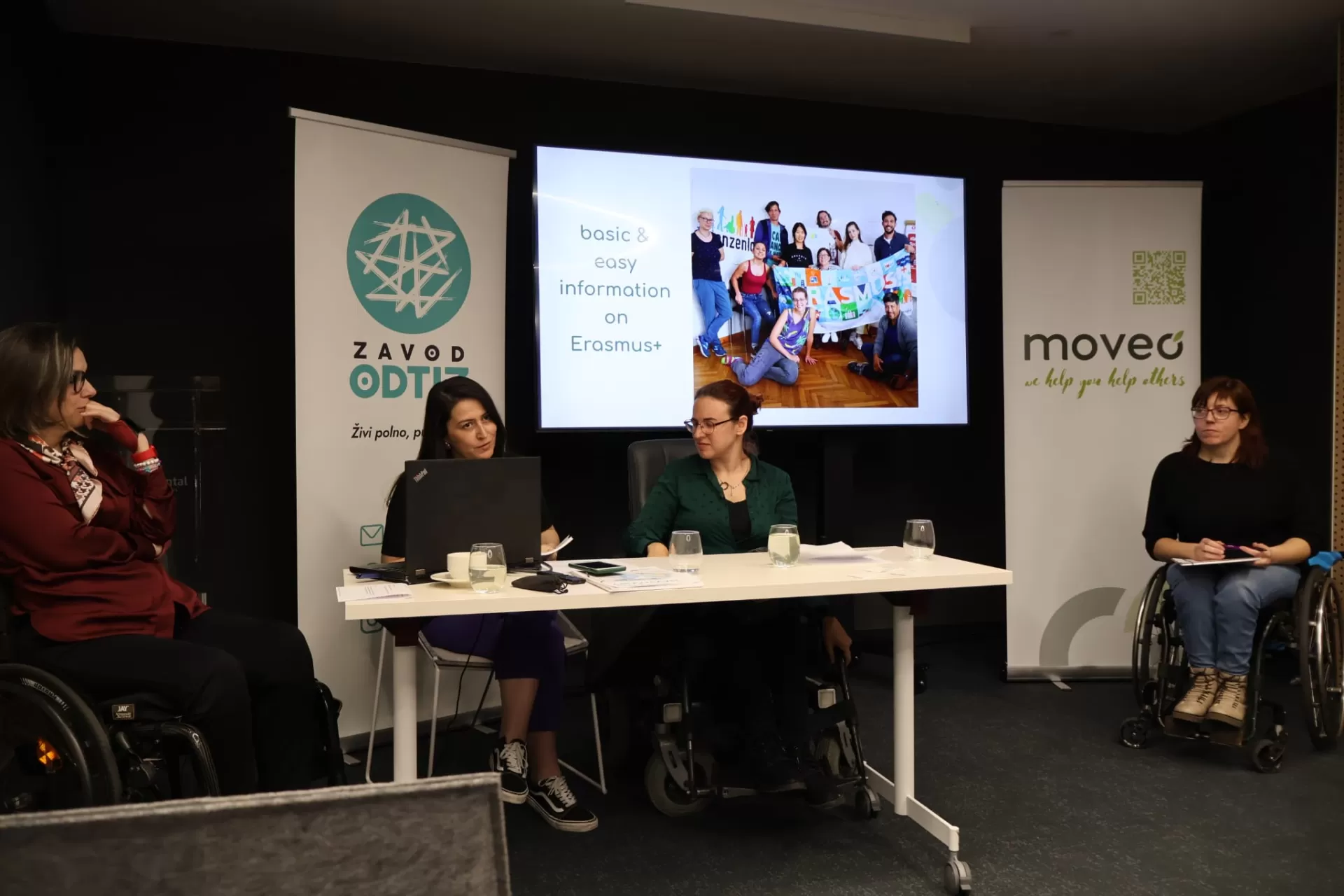
The Able2Travel Project is an 18-month Erasmus+ KA2 Small-Scale Partnership project in the field of youth, prepared and implemented in partnership with our association TGBDER from Turkey, MOVEO from Austria, and ODTIZ from Slovenia, and funded by the Austrian National Agency. Our project was carried out between October 1, 2022, and April 1, 2024, and recognizes young people with disabilities as individuals with many different skills, talents, and interests who have an undeniable right to equal opportunities with their peers. The fundamental aim behind the Able2Travel project has been to encourage and equip young people with disabilities to take an active role in international mobility projects. We believe and insist that young people with disabilities should be seen as equal partners in mixed-group projects where they will have uninterrupted access to information and where their presence and contributions will be valued equally with their peers. To this end, the goal is to promote inclusivity and diversity not as separate issues to be addressed independently, but as natural, integral parts of future projects.
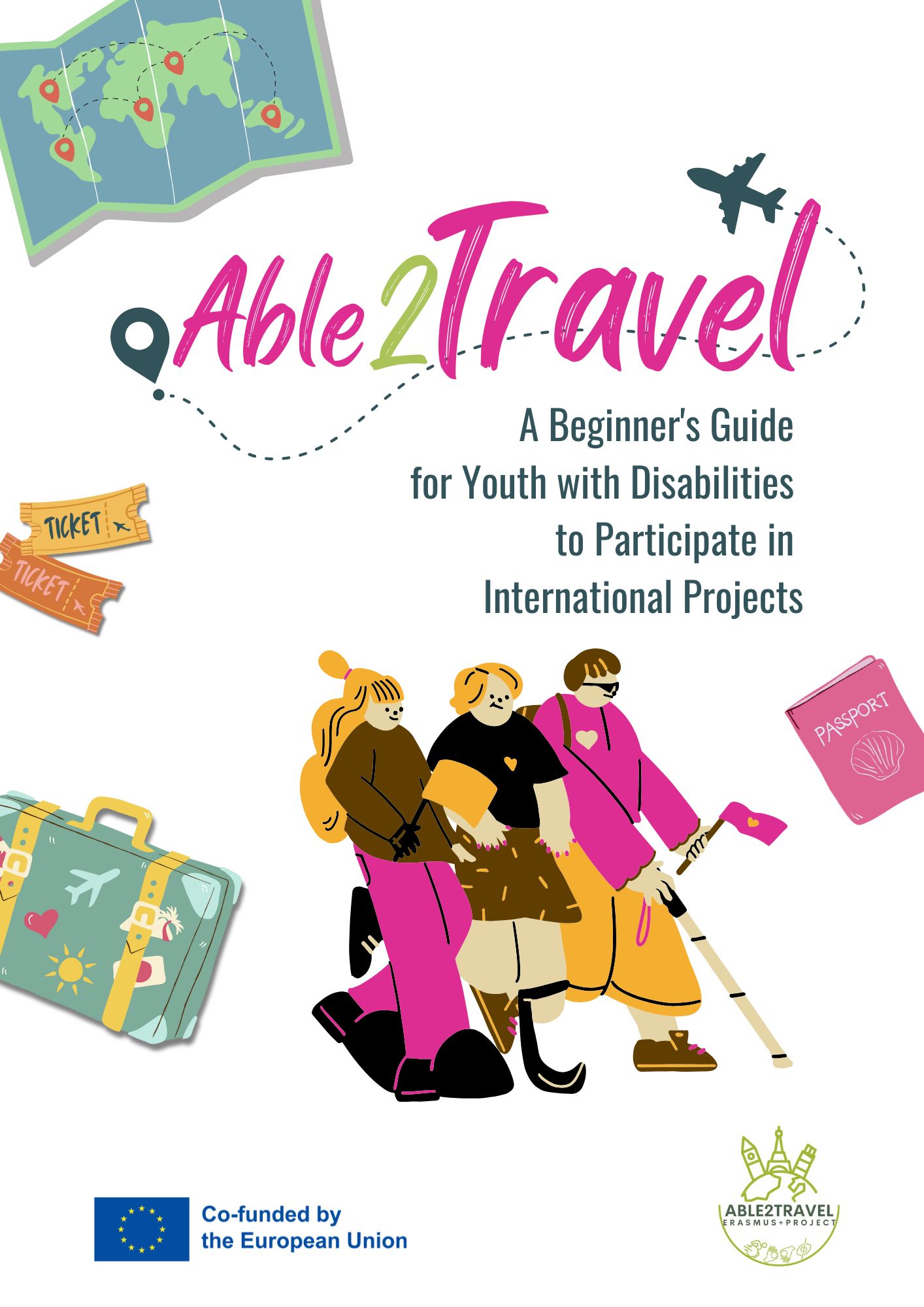
The Able2Travel Guide we have prepared is intended to be a practical, easy-to-understand, and accessible resource for young people who want to participate in international youth projects but lack sufficient information on where to start, how to find these opportunities, and how to prepare themselves.
The guide, prepared in English, German, Turkish, and Slovene, was developed by a team of experts with extensive experience working with disabled and non-disabled young people in international youth projects. It is designed as a starter pack that tells young people “You can do it! Don't give up, keep going!” in order to meet all these needs by removing existing barriers and imaginary barriers that exist only in our minds.
We are aware of the assumption that working with mixed disability groups in youth projects can be challenging for both organizers and participants. However, we also believe that well-structured preparation and an inclusive approach from the outset can make things easier and more beneficial for everyone.
Our fundamental principle in preparing the content of this guide has been the meaningful inclusion of the target group in the entire process. We chose to listen to the voices of young people in order to be effective in developing this guide because we believe that young people, whether disabled or not, are experts on their own lives and experiences and need to be actively involved at every stage (the “never without us” principle!). They know what is most important to them and what affects them, and they also have incredible creativity and capacity to solve problems. Including the perspectives of a wider range of people has given us a deeper and broader understanding of the needs and interests of young people with disabilities.
Therefore, we organized focus group meetings with mixed groups of young people with disabilities in Austria, Slovenia, and Turkey, and the feedback we received from both young participants with and without disabilities helped us design the content and delivery of this guide.
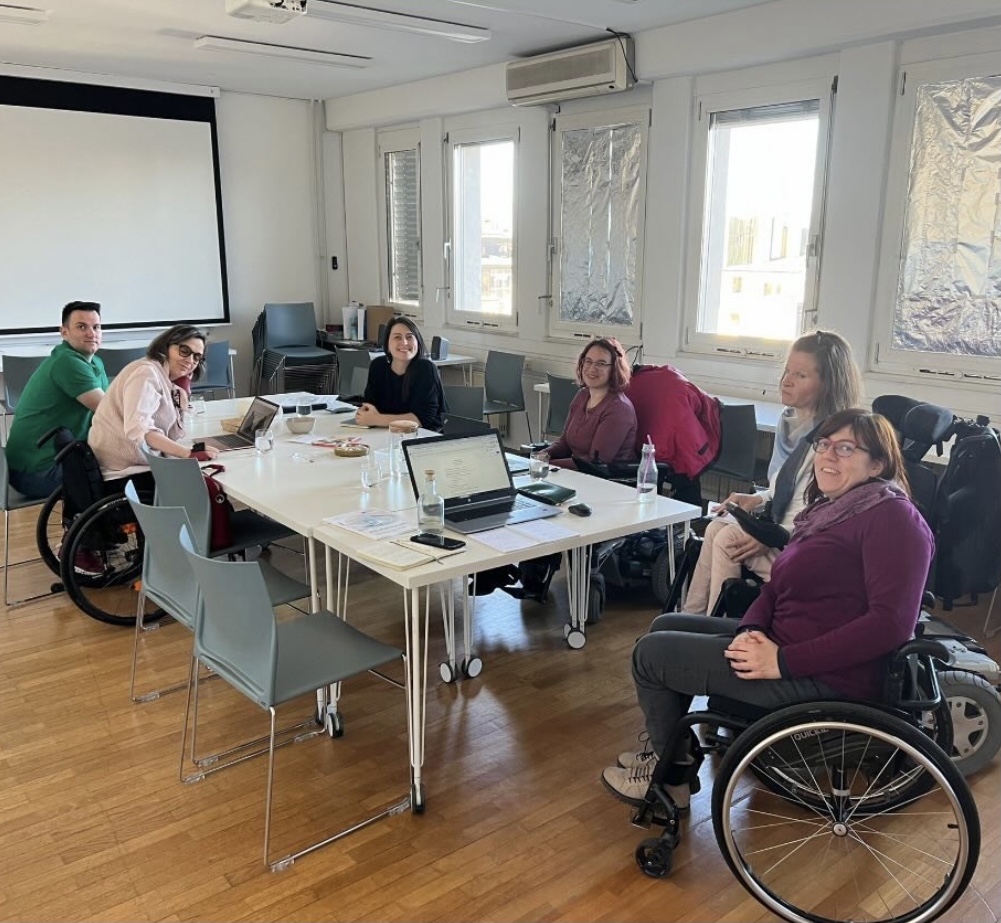
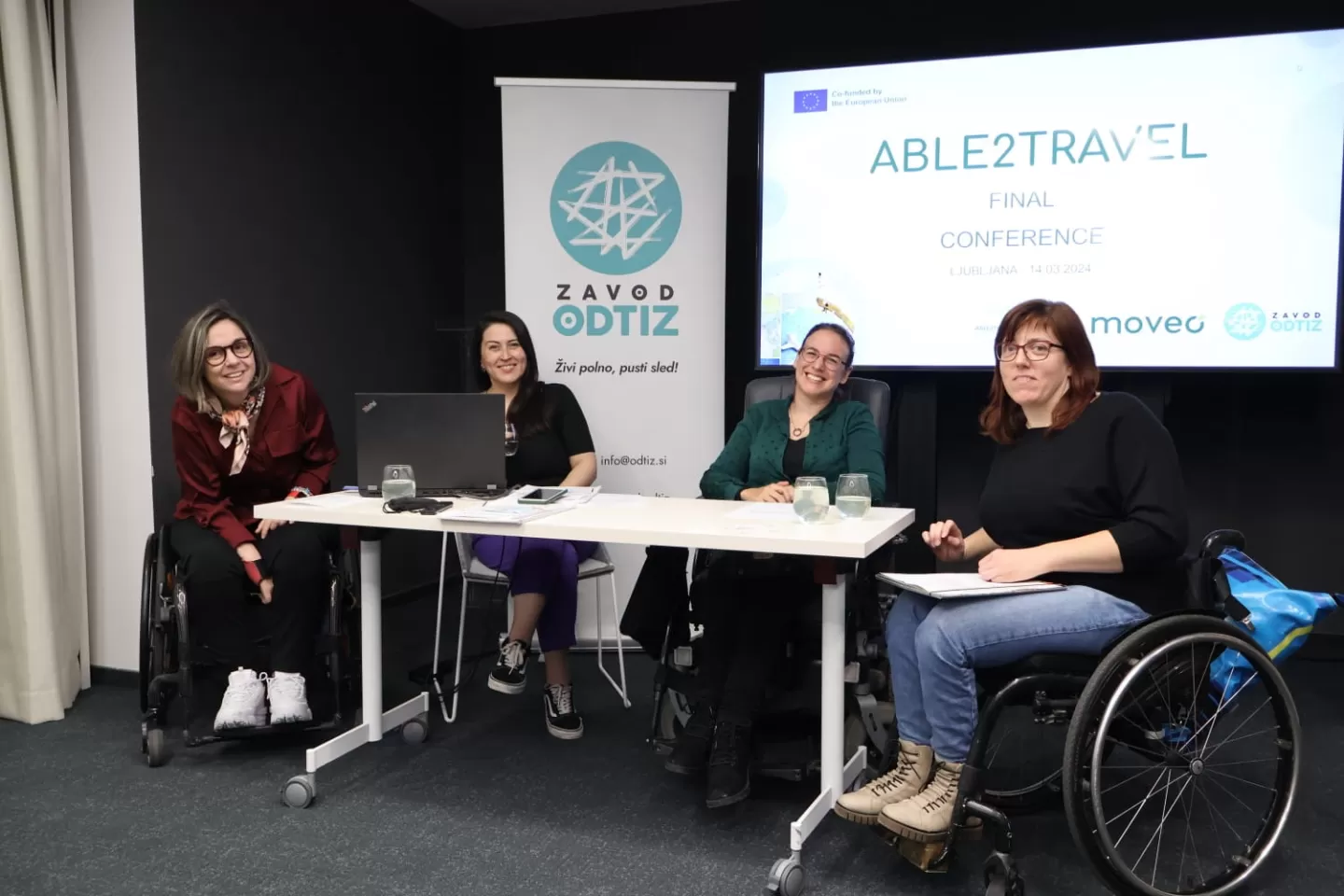
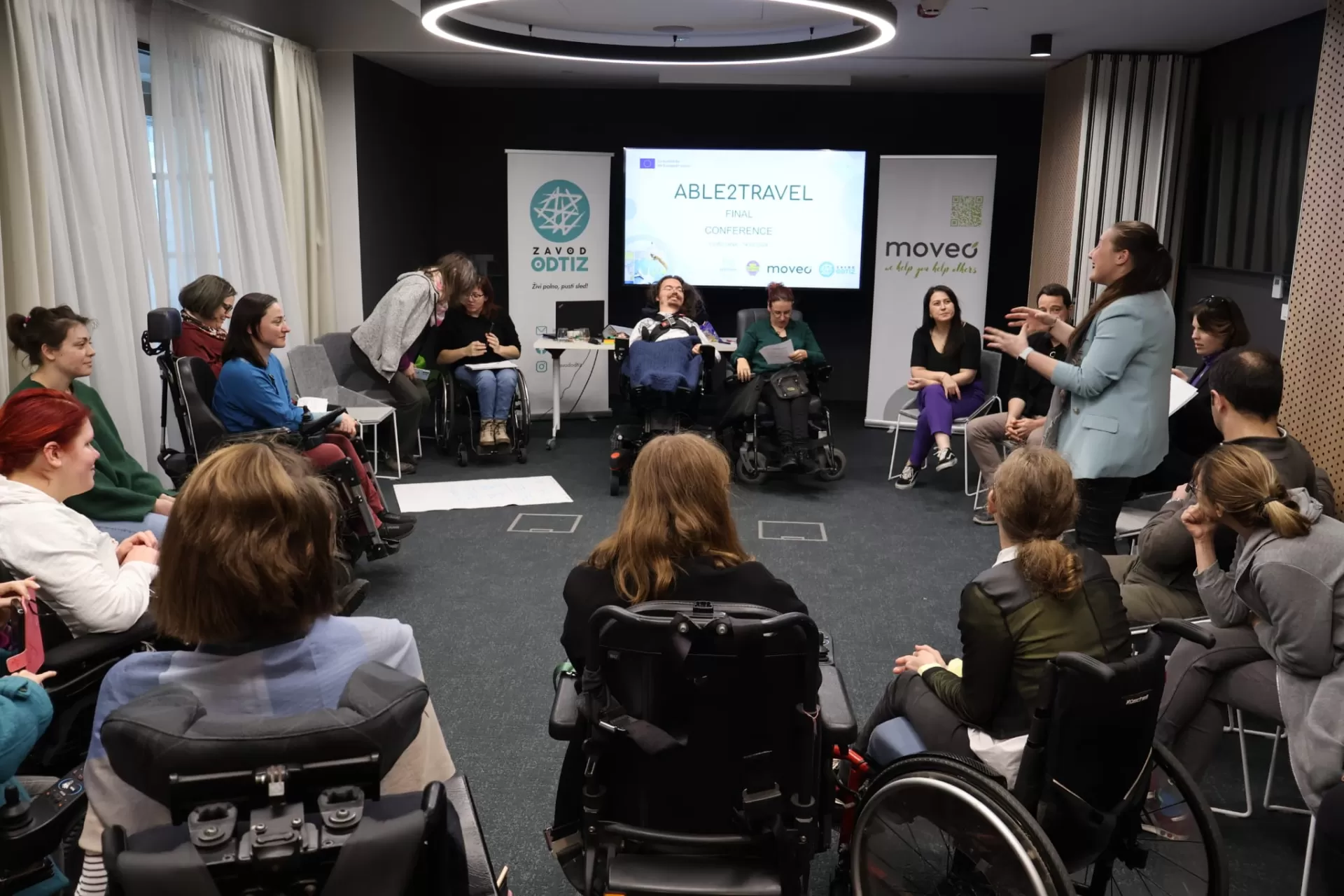
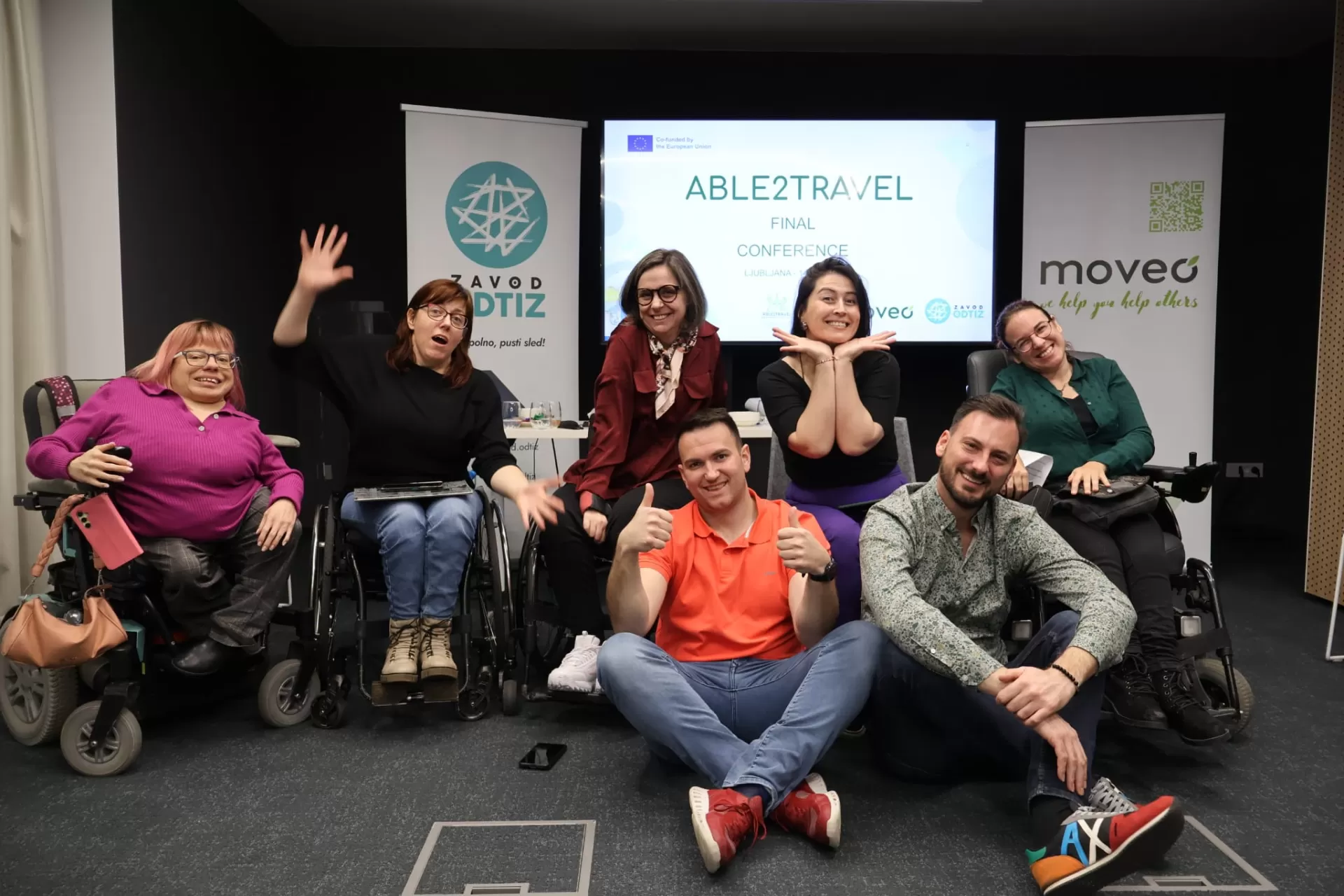
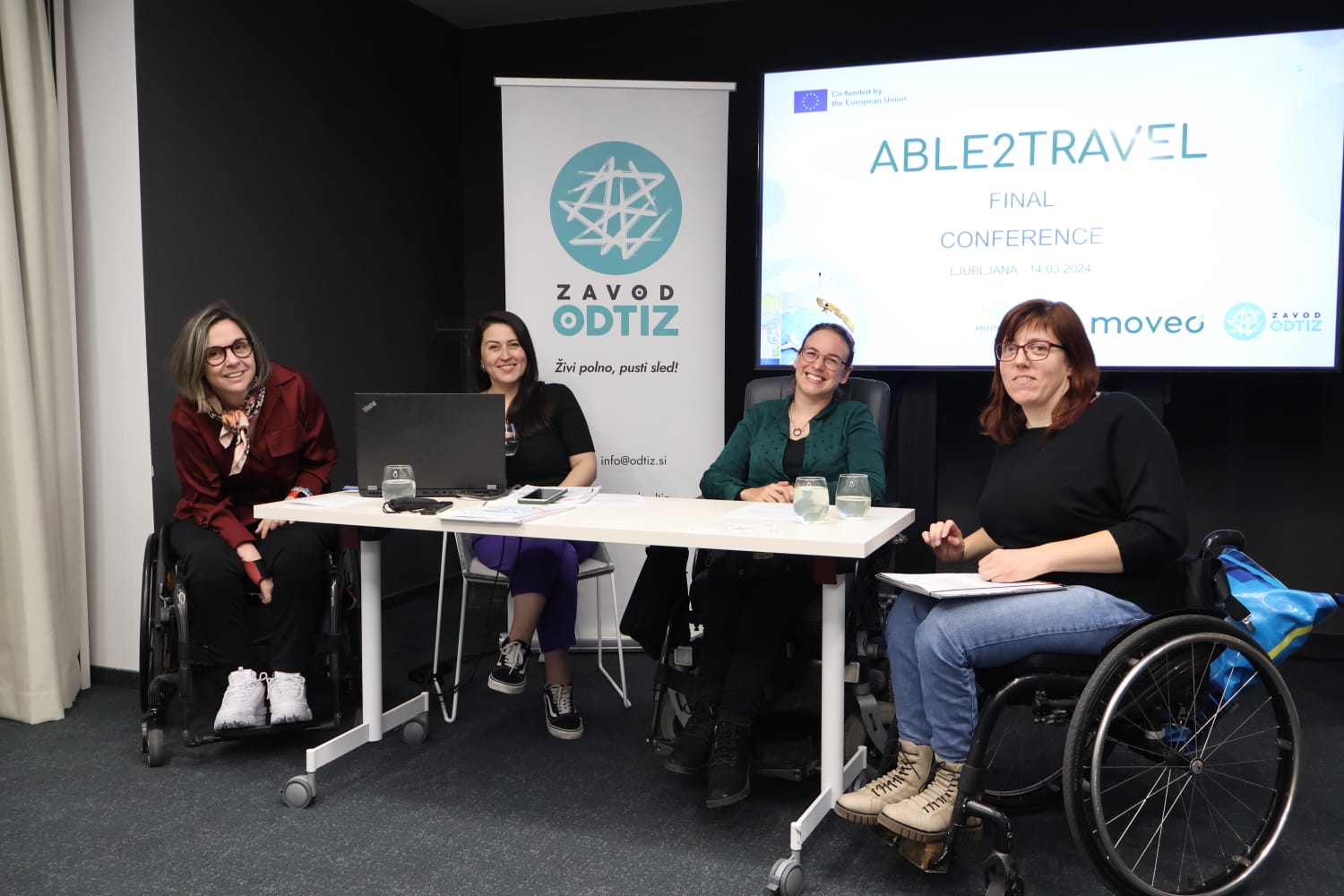
The guide was launched at the final conference held in Ljubljana on March 14, 2024. The final version of the guide was shared with participants, including disabled focus group participants who contributed to the guide's preparation process, and ideas were exchanged on the next roadmap.